ShopXN designs, develops and deploys main-domain systems: Shopify commerce alongside an independent content engine, edge routing, multilingual publishing and operational measurement.
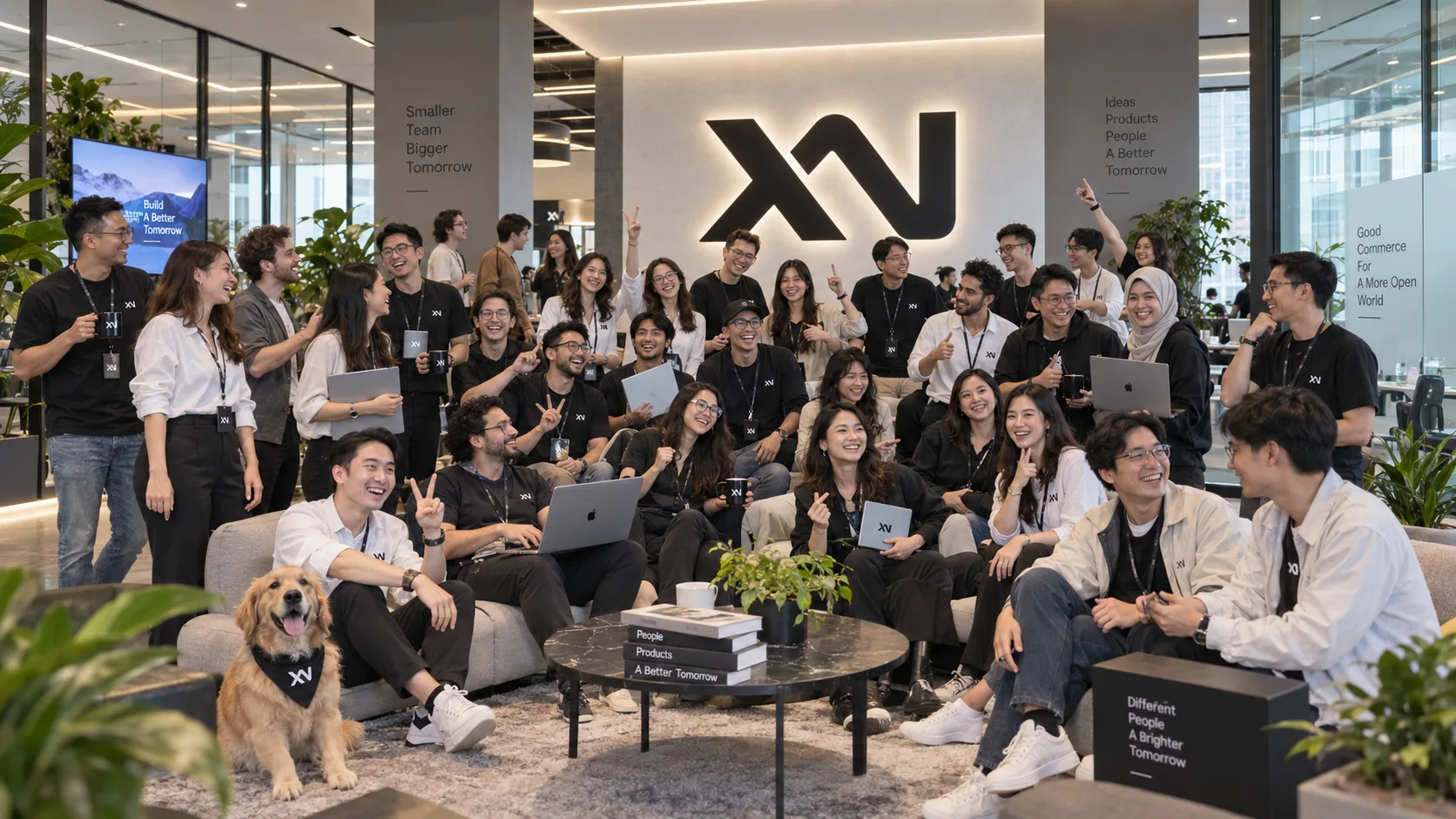
As digital marketing becomes increasingly dependent on paid advertising, we see a problem worth addressing: brands that rely too heavily on ads can lose a dependable source of customer acquisition when they reduce spending. Advertising can help a brand reach people, but it should not be its only route to growth.
We believe traffic should become a long-term digital asset for the brand, rather than simply a monthly advertising expense. By building brand-owned content, clear information architecture and maintainable systems, we help Shopify brands develop content assets that can be updated, discovered through search and used to serve customers—gradually reducing dependence on a single acquisition channel.
This is more than a technical solution; it is a different approach to growth: moving from continually buying visits to continually building content, service and trust. Organic traffic still requires ongoing maintenance and is affected by demand, competition and changes in search platforms. We focus on cumulative, verifiable work, not guarantees of rankings or traffic.
The best growth comes from long-term value for customers, not short-term traffic. Content that keeps answering real questions builds trust with every search.
— The ShopXN team
Record the exact URLs, markets, data window and current index status before changing the site.
Check response codes, canonical URLs, language links, rendered content and rollback files.
Publishing and index requests are not rankings. Compare complete search windows and actual enquiries; report unknowns explicitly.
ShopXN delivers main-domain content systems: architecture, independent content engine development, edge routing, multilingual publishing and business integrations. Agree on components, delivery ownership, access and acceptance before work starts.
This page does not claim Google affiliation, a certified team biography or verified client growth. Client outcomes require source data, a defined period and permission to publish.
Discuss your site and request a written scope →Our guides explain platform capabilities and implementation methods used in system design, with primary sources that help brands understand architecture decisions and operating boundaries.
A workflow illustration is not a client case study. A calculation is not a traffic forecast. Where no first-hand test evidence is provided, read the page as a documentation-based guide, not an independently tested result.
For corrections, send the page URL, the disputed statement and supporting evidence to [email protected]. Product behavior can change; verify important actions against the linked current platform documentation.
If you want content that keeps working after the ad budget stops, tell us about your store, your markets and what you have tried. We will tell you honestly whether a content system is worth it.
Contact us